
Art Therapy for Intercultural
Lives & Inner Change
Accompanying families, women and individuals through cultures, roles and inner transitions.


Image-Making as Psychological ExplorationSome transitions are visible: a move, a new country, a professional change, a family shift.
Others are quieter: The feeling of not fully belonging, the pressure to keep functioning, the difficulty of explaining what is happening inside. Art therapy offers a space where these inner experiences can take shape through image-making, reflection and dialogue.
Clinically informed, confidential sessions · 60–120 minutes
Online and in-person where available · Como · Switzerland · International clients
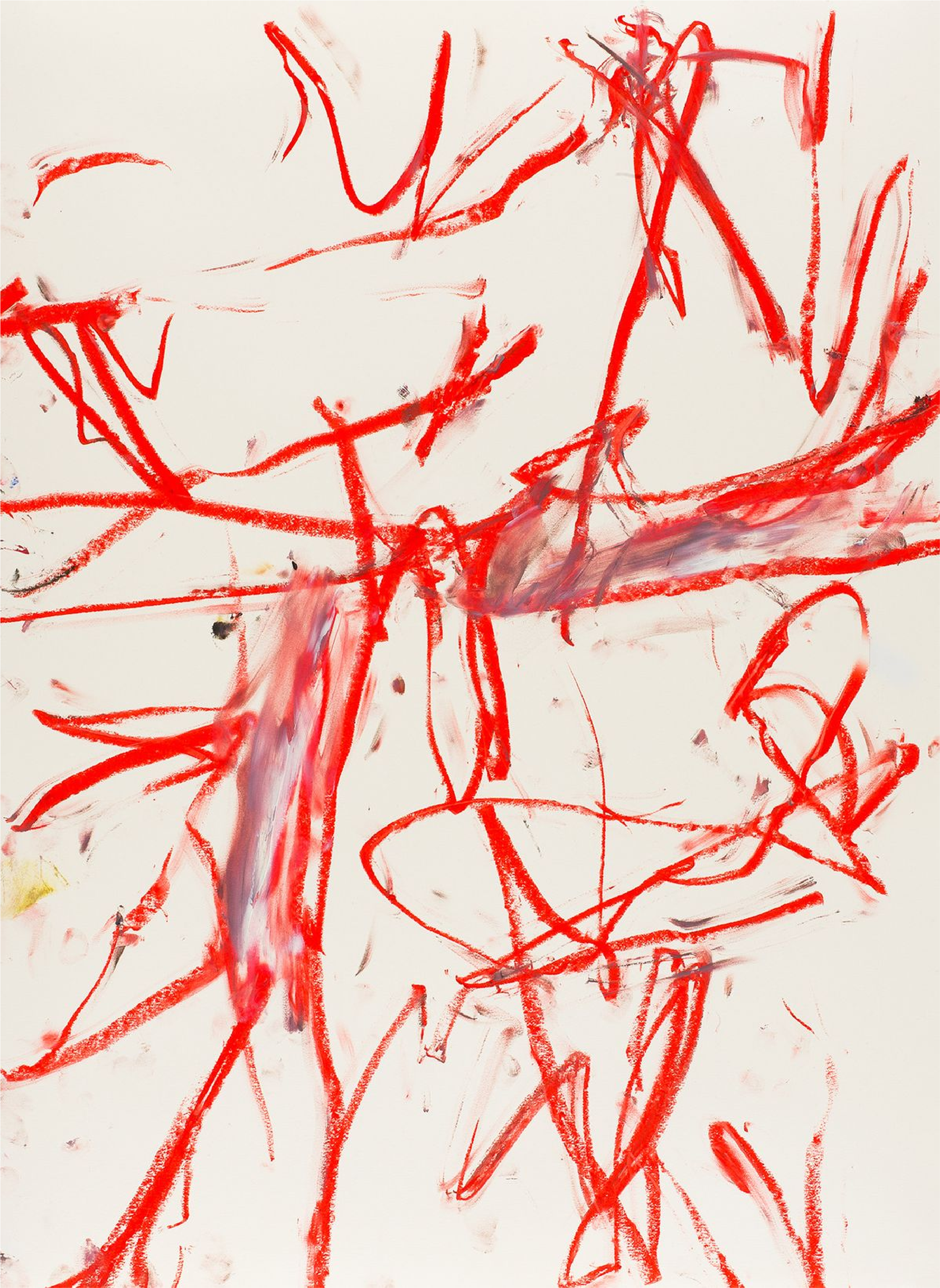
Support for times when words are not enough
Families across cultures
For intercultural, international or relocating families navigating belonging, language, parenting differences and emotional communication.
Women carrying roles and pressure
For women shaped by business, leadership, responsibility or performance cultures who need a confidential space to reconnect with themselves beyond the role.
Individuals in inner transition
For adults and young people navigating identity questions, emotional overload, relocation, grief, burnout or personal change.
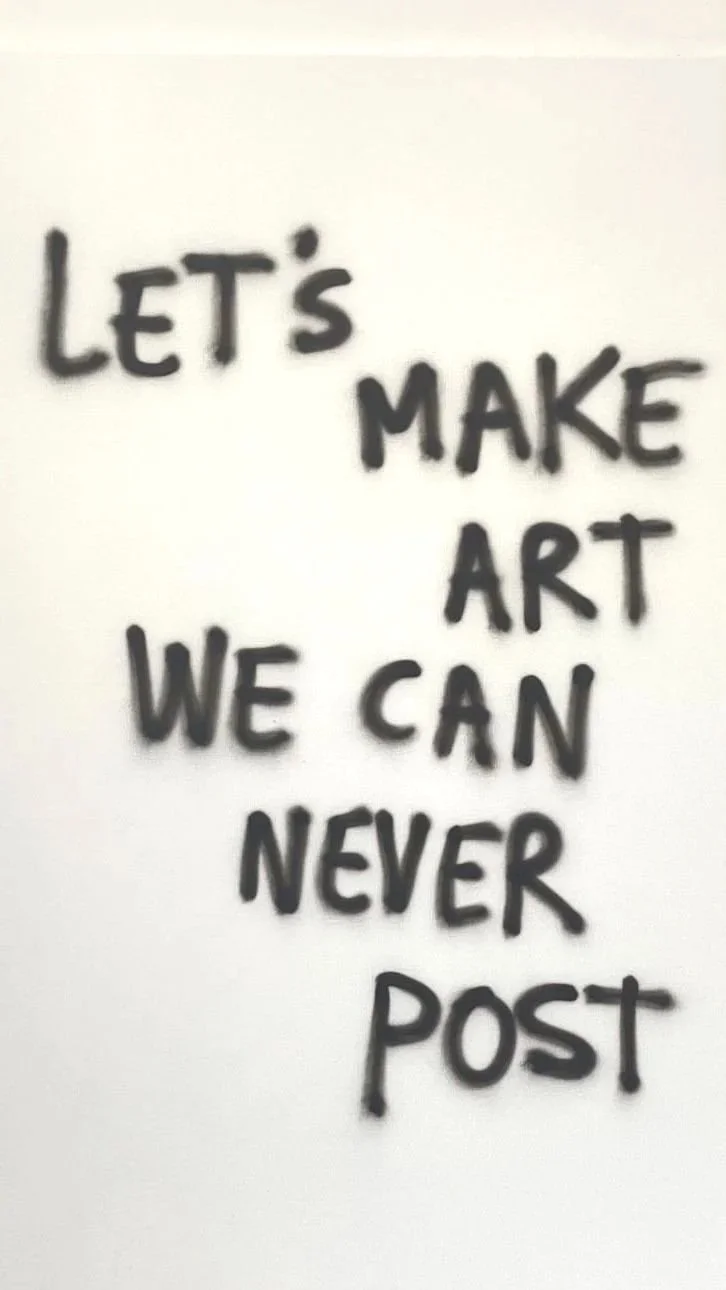
Art therapy is not about artistic performance. It is a psychologically grounded practice that uses creative expression as a way to access feelings, patterns and internal narratives that may be difficult to reach through words alone.

In our sessions, images are explored as meaningful material rather than judged aesthetically. This creates space for reflection, emotional processing and a clearer sense of self.
Through this process, what feels complex, unspoken or fragmented can begin to take form, especially when life is shaped by different cultures, roles and inner transitions.

My work is informed by a Spanish-Swiss family background, an international professional path, artistic practice and art therapy training.
I know what it means to move and perform between cultures, languages, roles and expectations. I also know the cost of being trained to perform, produce and adapt while losing contact with one’s inner rhythm. This is why I work through process: not to fix people, but to accompany what is asking to be seen, expressed and integrated.



A life and practice shaped by intercultural experience-
I hold a Master’s degree in psychological art therapy and have experience accompanying children, adolescents and adults. My work is also shaped by more than two decades in international creative and business environments.
-
My approach is process-based, relational and psychologically grounded. Images are explored as meaningful material, not judged aesthetically. I accompany each person in meeting what appears through the creative process, with attention to pace, confidentiality and emotional safety.
-
Sessions may be individual, family-based or adapted to children and adolescents. After a first conversation, we may begin with three introductory sessions before deciding whether to continue with short-term or ongoing work.


If you are looking for a reflective, structured and psychologically grounded space to work through change, pressure, family complexity or emotional transition, you are welcome to get in touch.
The first conversation is a way to understand your situation, ask questions and sense whether this form of work feels right for you or your family.
sgonzalezmueller@gmail.com


You can begin by reaching out briefly by email or through the contact form.
We then arrange an introductory conversation to understand your situation and whether art therapy feels like the right form of support.
When appropriate, we may begin with three introductory sessions before deciding together whether to continue with a focused or ongoing therapeutic process.
FAQ:
-
No. Artistic skill is neither required nor relevant. The focus is on expression, reflection and therapeutic understanding.
-
Sessions usually combine image-making, reflection and dialogue. Depending on the person and the process, we may work with drawing, painting, collage, clay, writing, objects or other materials.
The image is explored as meaningful material rather than judged aesthetically. It becomes a way to approach feelings, patterns and internal narratives that may be difficult to access through words alone.
-
This is a therapeutic process. Coaching often focuses on goals, performance and future action. Art therapy works with emotional processes, identity questions, relational patterns and inner experience.
It can support change, but it does so through reflection, symbolic expression and psychological exploration.
-
Yes. Children and adolescents often express through image, play, gesture and symbol before they can explain everything verbally. Art therapy can offer a safe way to explore emotions, belonging, identity, anxiety, family changes or social difficulties.
For younger clients, parent conversations may be included when appropriate.
-
Yes. Intercultural families may navigate different languages, emotional codes, parenting references and ideas of belonging. Art therapy can help make these experiences visible and create a space for communication beyond words.
-
“Corporate Hangover” describes the emotional, physical and creative after-effect of prolonged exposure to performance culture, corporate over pressure and only result-driven identity.
It may appear as exhaustion, disconnection, loss of inner rhythm, difficulty resting, creative block or the feeling of no longer knowing what one needs beyond external expectations.
Art therapy can offer a space to pause, observe and reconnect with one’s own inner process.
-
Yes. Sessions are confidential and held within clear professional boundaries. Confidentiality may only be limited in exceptional situations where safety is at risk, especially when working with minors.
I follow the standard of the European Federation of Art Therapy https://www.arttherapyfederation.eu/
-
Yes. Sessions can take place online. In-person sessions may also be possible depending on location and travel arrangements.
-
This depends on your situation. Some clients benefit from a short focused process, while others prefer ongoing support.
After the introductory consultation, we may begin with three exploratory sessions to understand whether this way of working feels right and what kind of framework may be most helpful.
-
You can begin by sending an email to sgonzalezmueller@gmail.com to arrange an introductory consultation. In this first exchange, we clarify what brings you here and whether individual, family or short-term work would be most suitable.